Silver has been cherished for centuries, not only for its beauty but also for its value as a precious metal. However, with the rise of silver-plated, stainless-steel, and fake jewelry in the market, many people wonder: How to tell if a ring is real silver without a jeweler’s help? Whether you’ve inherited a family piece, purchased a new ring online, or received one as a gift, being able to identify genuine silver is an important skill.
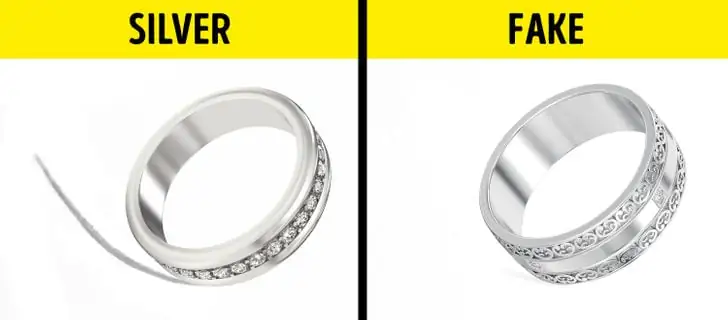
In this detailed guide, we’ll cover every practical method you can use at home to test whether your ring is authentic silver or not. From understanding hallmarks to simple DIY tests, you’ll learn how to spot the difference between genuine sterling silver and imitations.
Table of Contents
How To Tell If A Ring Is Real Silver Or Not
The first step in identifying whether your ring is real silver or not is to examine it carefully. Silver, unlike imitation metals, has certain characteristics that are easy to notice.
- Check for Hallmarks (Stamps):
Real silver jewelry usually carries a hallmark indicating its purity. Look for markings such as “925,” “Sterling,” “92.5,” or “S925” inside the ring band. This means the ring is 92.5% pure silver and 7.5% other metals, usually copper. - Inspect the Color and Shine:
Pure silver has a soft, white metallic luster that is slightly muted compared to white gold or platinum. Fake silver often looks overly shiny or dull. - Magnet Test:
Silver is not magnetic. If your ring is strongly attracted to a magnet, it’s likely made of another metal. - Tarnish Check:
Genuine silver tarnishes over time, developing a dark patina that can be polished off. If your ring never tarnishes or discolors unnaturally, it may not be real silver.
How To Tell If A Ring Is Real Silver Without Testing
If you don’t want to perform physical or chemical tests, there are still a few ways to identify authenticity:
- Price and Source: If the price of the ring seems too good to be true, it probably is. Silver has intrinsic value, so an extremely cheap “silver” ring may be fake.
- Brand Reputation: Rings purchased from trusted jewelers, branded stores, or certified sellers are more likely to be genuine.
- Documentation: Certificates of authenticity or receipts that specify “925 sterling silver” are reliable indicators.
- Appearance Over Time: Real silver develops tarnish, while silver-plated rings often reveal a yellowish or reddish base metal underneath after wear.
How To Tell If A Ring Is Real Silver At Home
You don’t need expensive tools to check if your ring is real silver. Here are simple at-home methods:
- Ice Test:
Place an ice cube on the ring. Real silver has excellent thermal conductivity, so the ice will melt faster compared to other metals. - Cloth Rub Test:
Rub your ring with a soft white cloth. If it leaves black marks, that’s a good sign—it’s tarnish from genuine silver reacting with air. - Sound Test:
Tap your ring gently against a hard surface. Real silver produces a clear, bell-like ringing sound, while fake metals produce a dull thud. - Smell Test:
Genuine silver has no noticeable smell. If your ring smells strongly of metal or chemicals, it’s likely not real.
How To Tell If A Ring Is Solid Silver
Solid silver is different from silver-plated jewelry. A silver-plated ring only has a thin coating of silver over a base metal, while solid silver is silver throughout.
- File Test (Use With Caution): If you scratch a hidden part of the ring and see another color underneath (like copper or brass), it’s silver-plated, not solid silver.
- Weight Test: Solid silver feels heavier than aluminum or other fake metals. Compare the weight of your ring with a known sterling silver piece.
- Professional Verification: While this guide avoids jewelers, if you suspect your ring is valuable, it may be worth confirming with a silver acid test kit.
How To Tell If A Ring Is Real Sterling Silver
Sterling silver is the most common form of real silver used in rings. Here’s how to identify it:
- Markings: Look for the hallmark “925” or “Sterling.”
- Oxidation Patterns: Sterling silver naturally oxidizes, leaving black or green tarnish that can be cleaned.
- Durability: Sterling silver is harder than pure silver, so your ring should resist bending under light pressure.
Owning a Plain Silver Ring made of sterling silver is a timeless investment—it’s durable, versatile, and always in fashion.
How To Tell If A Ring Is Real Or Fake
There are many fake silver rings in circulation, so spotting differences is key:
- Fake silver often has no hallmark.
- Fake silver feels light and hollow compared to real silver.
- Fake silver may flake, chip, or reveal another metal underneath with wear.
- Fake silver often has an unnatural shine or feels overly smooth.
A genuine silver ring, including a Plain Silver Ring, will show subtle imperfections, tarnish, and a more authentic weight.
How To Know If My Ring Is Real Silver
You can quickly know if your ring is real silver by combining multiple tests:
- Check for hallmarks.
- Perform the magnet test.
- Look for tarnish or natural discoloration.
- Compare its weight with a real silver piece.
- Test with ice for quick conductivity results.
If your ring passes most of these tests, you can be fairly confident it’s real silver.
How To Check If Ring Is Real Silver
To check thoroughly if a ring is real silver:
- Inspect with a magnifying glass for hallmarks and craftsmanship.
- Use household tests (ice, magnet, cloth rub).
- Compare your ring’s luster and feel with another known silver ring.
- Monitor how it reacts over time—real silver tarnishes, while fake silver peels or corrodes.
Owning a genuine Plain Silver Ring ensures not only beauty but also long-lasting value.
Frequently Asked Questions
Q:1. Can real silver rings rust?
No, real silver doesn’t rust, but it tarnishes due to exposure to air and moisture.
Q:2. How do I clean my silver ring at home?
Use baking soda and water paste, or a silver polishing cloth for best results.
Q:3. Is sterling silver similar as original silver?
No. Pure silver is 99.9% silver, while sterling silver is 92.5% silver mixed with other metals for strength.
Q:4. Why does my silver ring turn my finger green?
It happens when silver reacts with acids, lotions, or moisture, often due to the copper content in sterling silver.
Q:5. Can fake silver have a 925 stamp?
Yes, some fake rings are stamped “925” dishonestly, which is why additional tests are important.
Q:6. How do jewelers test silver?
They use acid tests, XRF machines, or professional-grade tools to determine authenticity.
Q: 7. Can I use vinegar to test silver?
Yes, dropping a small amount of vinegar on the ring can help. Real silver will tarnish slightly, while fake metals often change color dramatically.
Q: 8. Are magnetic tests always accurate?
Not always, but real silver should never be magnetic. If a ring sticks strongly, it’s fake.
Q: 9. Do Plain Silver Rings lose value over time?
No, silver is a precious metal and retains intrinsic value, though its resale price depends on purity and market conditions.
Q: 10. What’s the safest way to ensure my ring is real silver?
A combination of hallmark inspection, home tests, and buying from trusted sellers is the best approach.
Conclusion
Learning how to tell if a ring is real silver without a jeweler’s help gives you confidence when buying, selling, or wearing silver jewelry. By checking hallmarks, testing conductivity, weight, tarnish, and sound, you can distinguish genuine silver from fakes with ease.
Whether you own a vintage heirloom or a new Plain Silver Ring, knowing how to identify authenticity ensures you get the full beauty and value of your jewelry. Always remember—silver is timeless, versatile, and worth protecting.